Computer Science courses
View all →Computer Science tutorials
All tutorials related to this topic, gathered in one place.
Criteria: same topic and editorial language. Tutorials are individual content and do not represent a required sequence.
 1min
EN
1min
ENCS50x 2026 – Introduction
 2h 00min
EN
2h 00min
ENCS50x 2026 – Lecture 0 – Scratch
 2h 30min
EN
2h 30min
ENCS50x 2026 – Lecture 1 – C
 2h 25min
EN
2h 25min
ENCS50x 2026 – Lecture 2 – Arrays
 1h 59min
EN
1h 59min
ENCS50x 2026 – Lecture 3 – Algorithms
 2h 19min
EN
2h 19min
ENCS50x 2026 – Lecture 4 – Memory
 2h 06min
EN
2h 06min
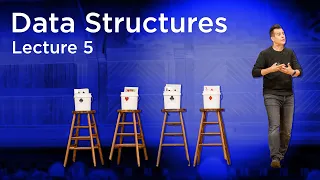
ENCS50x 2026 – Lecture 5 – Data Structures
 2h 29min
EN
2h 29min
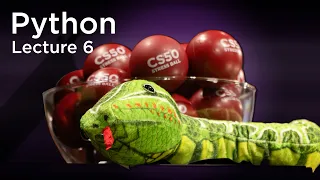
ENCS50x 2026 – Lecture 6 – Python
 2h 15min
EN
2h 15min
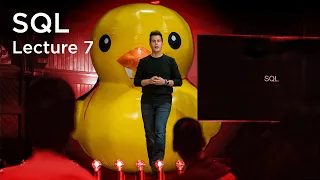
ENCS50x 2026 – Lecture 7 – SQL
 47min
EN
47min
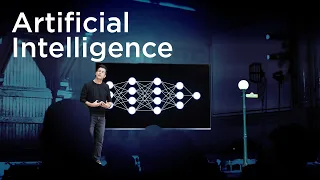
ENCS50x 2026 – Artificial Intelligence
 2h 22min
EN
2h 22min
ENCS50x 2026 – Lecture 8 – HTML, CSS, JavaScript
 2h 26min
EN
2h 26min
ENCS50x 2026 – Lecture 9 – Flask
 52min
EN
52min
ENCS50x 2026 – Lecture 10 – The End
Frequently asked questions about Computer Science
What is computer science?
Computer science is the study of algorithms, programming, data, systems and computational ways to solve problems. It is broader than learning one language or one tool.
Do I need to know programming before starting?
No. A good introductory path starts with foundations and introduces programming as a way to develop logical reasoning and problem-solving habits.
Which language should I learn first?
It depends on the course and goal. Introductory paths often use visual tools, C, Python, SQL, HTML, CSS and JavaScript to show different layers of computing.
Is computer science useful for artificial intelligence?
Yes. Algorithms, data structures, programming, statistics and system thinking make artificial intelligence easier to understand and apply with care.
What should beginners study first?
Start with algorithms, variables, functions, conditionals, loops, data structures and debugging. These foundations make later topics easier to connect.
Is computer science the same as software development?
No. Software development is a practical field that uses many computer science ideas, but computer science also studies theory, systems, computation, data and problem structure.
Should I follow the course or only watch individual tutorials?
Follow the course when you want a complete foundation. Use tutorials when you need to review a specific concept or return to a topic after the main sequence.
What can I study after an introduction to computer science?
Common next steps include web development, Python, databases, data analysis, cybersecurity, artificial intelligence, software engineering or more advanced algorithms.
How do I practice computer science concepts?
Solve small problems, explain your reasoning, trace code by hand, compare different approaches and build small projects that use the concepts from the lessons.
How long does it take to learn the basics of computer science?
The basics take time because they involve reasoning habits, not only memorized syntax. A steady sequence with practice after each lesson is usually more effective than rushing.
How to build a durable computer science foundation
Computer science becomes easier to study when the learner sees it as a sequence of ideas that connect: problems, algorithms, data, programs, systems and interfaces.
Learn how to define problems
The first habit is learning how to describe a problem clearly. Before writing code, the learner needs to understand the input, the expected output, the restrictions and the steps that connect one point to the other. This way of thinking appears in every technology project.
Algorithms make that reasoning visible. Searching, sorting, validation and transformation are not abstract exercises only for exams. They are patterns that appear in applications, databases, recommendations, interfaces and everyday software behavior.
Connect languages to concepts
Different languages and tools reveal different layers. C can make memory and low-level details more visible. Python helps with scripting and problem solving. SQL introduces structured data. HTML, CSS and JavaScript connect logic to web interfaces used by real people.
The value of a broad introduction is that each technology becomes part of a map. Instead of treating every tool as a separate world, learners begin to recognize the recurring concepts behind them: abstraction, complexity, modularity, state, data modeling and debugging.
Use the foundation to choose a path
After the introduction, the best next step depends on the learner’s goal. Web development, data, cybersecurity, artificial intelligence and software engineering all build on the same foundation, but each direction emphasizes different skills.