Course overview
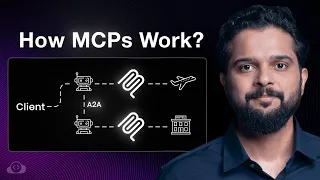
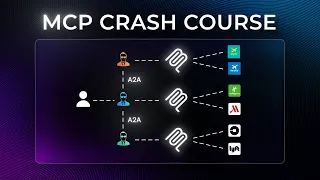
This course is a deep dive into Model Context Protocol, the open standard that allows large language models to interact dynamically with external applications, APIs, and data streams. Across ten instructor-led videos from channels like NetworkChuck, IBM Technology, and Microsoft Developer, you will move from understanding MCP's client-server architecture to deploying functional servers. The curriculum covers tool and resource schemas, gateway routing, Agent-to-Agent communication, and secure workflow orchestration. By studying practical demonstrations with Claude, Cursor, and Apache Kafka, you will gain a clear picture of how to standardize agentic microservices and reduce integration complexity for modern AI systems.
Who this course is for
This course is built for software developers and AI engineers who are comfortable with APIs and want to move beyond basic chatbot interactions. A foundational understanding of TypeScript or Python is helpful, as lessons include building servers from scratch. It is also valuable for technical architects evaluating protocol standardization and for machine learning practitioners looking to connect models to real-time data and third-party services without hardcoded integrations.
How to study this sequence
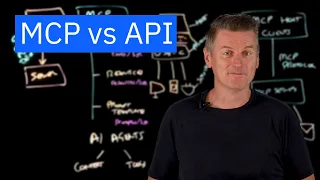
Begin with the high-level conceptual explanations from Greg Isenberg and codebasics to anchor your understanding, then follow the step-by-step builds by KodeKloud and Fireship. Treat the longer Microsoft Developer and Web Dev Simplified sessions as practical workshops, coding along with the TypeScript and Python examples. After studying server and client fundamentals, examine the architecture comparison by IBM Technology and the real-time data integration patterns with Confluent to see MCP applied in enterprise contexts.
What you should be able to do
By the end of this course, you will be able to construct custom MCP servers and clients, define typed tool schemas, and enable large language models to execute real actions safely. You will understand how to replace fragile custom API integrations with standardized discovery mechanisms and will be ready to build agentic microservices that connect AI reasoning to tools like databases, browsers, and event streams.