Summary
Introduction to Adobe Firefly
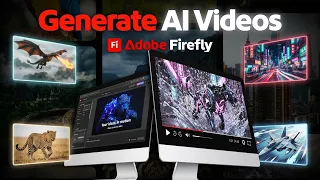
Adobe Firefly represents a significant advancement in generative AI technology integrated directly into Adobe's creative ecosystem. This tutorial provides beginners with a structured introduction to the platform's core capabilities, demonstrating how to leverage artificial intelligence to generate high-quality images from simple text descriptions. The nine-minute format ensures accessibility for viewers with limited time while covering the essential workflow steps needed to start creating visually appealing content immediately. Adobe Firefly's integration within the broader Adobe suite makes it particularly valuable for designers, content creators, and marketers who already work within the Creative Cloud environment.
Understanding Text-to-Image Generation
At the heart of Adobe Firefly lies a generative AI model trained to convert natural language descriptions into visual outputs. Users simply type descriptive prompts—specifying subjects, styles, compositions, and artistic directions—and the model interprets these instructions to create relevant images. This democratizes image creation by removing technical barriers that traditionally required photography, illustration, or design skills. The underlying technology processes linguistic input through deep learning algorithms, generating multiple variations based on a single prompt, allowing creators to explore different interpretations and refine results through iteration.
Getting Started with the Interface
The Adobe Firefly interface prioritizes simplicity without sacrificing functionality. Beginners can access the tool through Adobe's web platform or integrated within Creative Cloud applications like Photoshop. The workflow follows an intuitive three-step pattern: enter a text prompt describing the desired image, select generation parameters such as aspect ratio and style, and view generated results instantly. The interface provides clear visual feedback at each stage, reducing confusion for first-time users. Prompt fields accept detailed descriptions, allowing creators to specify elements like lighting conditions, color palettes, composition styles, and even reference artistic movements or specific visual aesthetics.
Crafting Effective Prompts
Successful image generation depends heavily on prompt quality and specificity. Effective prompts combine clear subject descriptions with contextual details about style, mood, and technical parameters. Rather than requesting simply "a cat," stronger prompts might specify "a tabby cat sitting in morning sunlight, photorealistic, warm color grading, shallow depth of field." This tutorial emphasizes prompt engineering fundamentals, teaching viewers how descriptive language directly influences output quality. The platform's suggestion system offers real-time guidance, helping users understand which prompt structures typically yield professional-quality results. Beginners learn that experimentation improves their ability to communicate visual intent to the generative model.
Customization and Refinement Options
Adobe Firefly provides multiple customization controls beyond basic prompt entry. Users can specify aspect ratios to match intended output dimensions—whether for social media squares, landscape presentations, or portrait formats. Style filters enable rapid aesthetic shifts, allowing users to apply consistent visual languages across multiple images. The platform offers variations on generated images, letting creators explore different interpretations of identical prompts. Advanced settings permit fine-tuning of parameters like composition complexity and visual intensity. This flexibility means beginners can quickly iterate toward desired results without requiring deep technical knowledge, while advanced users access sufficient control for specialized projects.
Exporting and Integration Workflow
Once satisfied with generated images, the export process remains straightforward and integration-friendly. Adobe Firefly enables direct export to cloud storage, integration with Adobe Creative Cloud libraries, or insertion into Photoshop documents for further editing. The workflow acknowledges that AI-generated images frequently require post-processing—adjusting colors, removing artifacts, compositing into larger designs, or adding text overlays. By maintaining seamless connectivity with professional Adobe tools, the platform positions Firefly as a starting point within broader creative pipelines rather than a standalone solution. This integration particularly benefits creators who already work within the Creative Cloud ecosystem, eliminating format conversion steps and maintaining asset organization.
Practical Applications and Use Cases
The tutorial contextualizes Adobe Firefly across diverse creative scenarios. Content creators use it to generate placeholder images during design iterations. Social media managers rapidly produce variations of visual concepts for A/B testing across platforms. Marketers create illustrations for presentations and advertising materials without commissioning external designers. Designers use Firefly to explore conceptual directions before detailed production work. The nine-minute scope focuses on the most common beginner use case: rapidly generating polished images for immediate publication or further refinement. Understanding these practical applications helps viewers identify how Firefly fits within their specific creative workflows.
Building Proficiency Through Practice
Becoming proficient with Adobe Firefly fundamentally depends on consistent practice and experimentation. The tutorial encourages viewers to test various prompt structures, exploring how minor wording adjustments produce significantly different visual outcomes. Beginners benefit from documenting successful prompts and analyzing which specific phrase combinations consistently yield high-quality results. This iterative learning process develops intuitive understanding of how the underlying generative model interprets natural language. The accessible nature of the tool—with fast generation speeds and no artificial usage limits for beginning learners—removes barriers to experimentation. Over time, creators develop confidence in prompt engineering and understanding of the technology's capabilities and limitations, enabling them to leverage Firefly more strategically within professional workflows.
What you will learn
- Understand how Adobe Firefly converts text prompts into AI-generated images
- Navigate the interface and configure generation parameters like aspect ratio and style
- Craft descriptive prompts that yield professional-quality image outputs
- Export generated images and integrate them into Creative Cloud projects
- Apply Firefly across practical scenarios: social media, marketing, and design workflows
Concepts covered
Technologies used
Chapters 8 markers
Next suggested video

Reviews
No reviews yet. Be the first to rate this lesson.