Edge AI and on-device AI move inference closer to phones, laptops, sensors and embedded devices instead of relying only on cloud systems.
Edge AI and On-Device AI courses
View all →Edge AI and On-Device AI tutorials
All tutorials related to this topic, gathered in one place.
Criteria: same topic and editorial language. Tutorials are individual content and do not represent a required sequence.
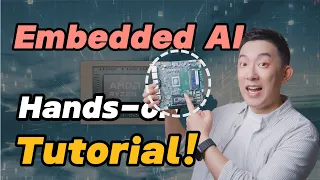 12min
EN
12min
ENBEST Embedded AI Hardware for Begineers! In-depth hands-on TUTORIAL
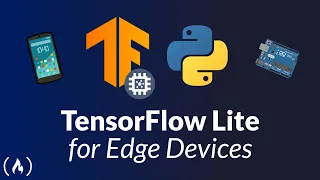 59min
EN
59min
ENTensorFlow Lite for Edge Devices – Tutorial
 26min
EN
26min
ENArduino Machine Learning Tutorial: Introduction to TinyML with Wio Terminal
 10min
EN
10min
ENIntro to TinyML Part 2: Deploying a TensorFlow Lite Model to Arduino | Digi-Key Electronics
 11min
EN
11min
ENIntro to TinyML Part 1: Training a Neural Network for Arduino in TensorFlow | Digi-Key Electronics
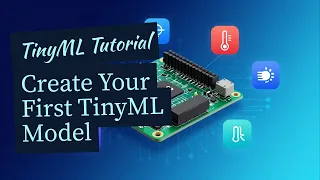 13min
EN
13min
ENTinyML Tutorial ESP32
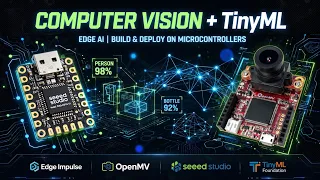 6h 29min
EN
6h 29min
ENComputer Vision with TinyML (Edge AI + CNNs) | Deploy Machine Learning on Microcontrollers Devices
 15min
EN
15min
ENTinyML: Getting Started with STM32 X-CUBE-AI | Digi-Key Electronics
 18min
EN
18min
ENTinyML: Getting Started with TensorFlow Lite for Microcontrollers | Digi-Key Electronics
 10min
EN
10min
ENAdding AI to your ESP32 is Easier than You Think!
Frequently asked questions about Edge AI and On-Device AI
What is Edge AI and On-Device AI?
Edge AI and On-Device AI is a technology topic that learners can study through concepts, practical workflows and validation habits.
Why should I learn Edge AI and On-Device AI now?
It is connected to current AI, software, security and infrastructure changes, so it helps learners understand where modern technology work is moving.
Is Edge AI and On-Device AI beginner-friendly?
Yes, when studied in order. Start with conceptual lessons, then move into practical tutorials and deeper technical material.
Do I need to know programming?
Some lessons are useful without programming, but developer-focused material may require basic Python, APIs, command-line tools or web concepts.
What should I practice first?
Start with a small task that can be repeated and checked, then change one variable at a time to understand the workflow.
How does this connect with AI agents?
Many modern technology topics connect with agents through tools, retrieval, evaluation, security, automation or developer workflows.
How do I validate what I learn?
Check sources, run code when available, compare outputs, document assumptions and test whether the result solves the original task.
What comes after this topic?
The next step is usually a project: build a small workflow, test it, document the result and connect it with related Cursob topics.
How were these materials selected?
The selection prioritizes free, embeddable English videos with practical value, clear explanations and relevance to the topic.
How to study Edge AI and On-Device AI without getting lost
The best way to learn Edge AI and On-Device AI is to separate concepts, tools, practical examples and validation. This keeps the topic useful even when individual tools change.
Start from the problem
Before choosing a tool, identify the problem the technology is trying to solve. Write down the inputs, expected output, constraints and risks. This makes each tutorial easier to compare.
Practice with small workflows
Use a small example that can be repeated. Change one part of the workflow, inspect the result and keep notes about what improved or failed.
Validate before scaling
Modern AI and infrastructure workflows can look impressive before they are reliable. Review claims, test code, check permissions and document assumptions before applying the method to important work.